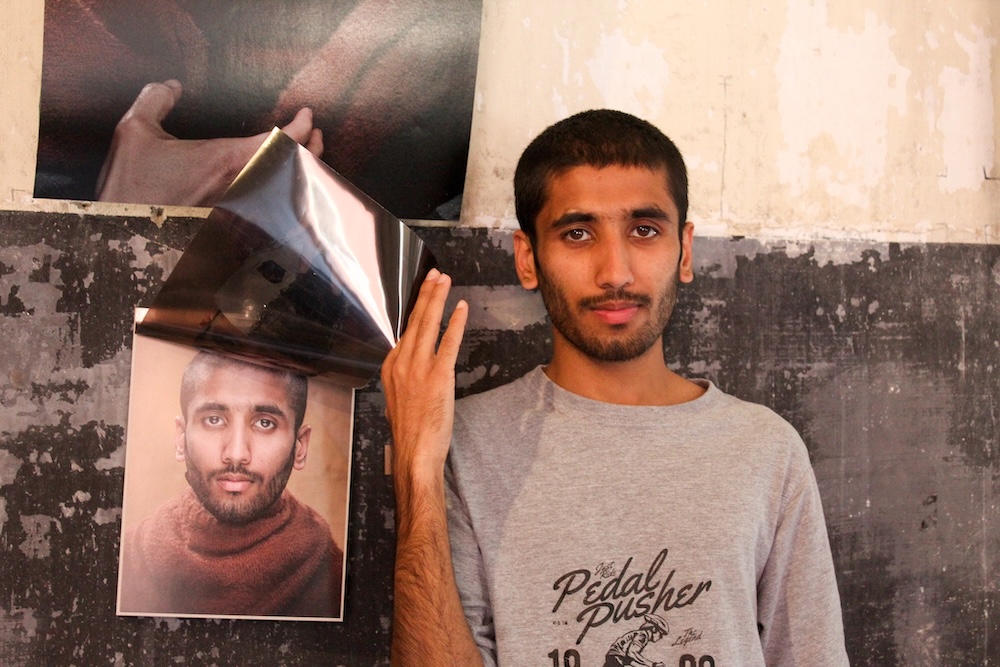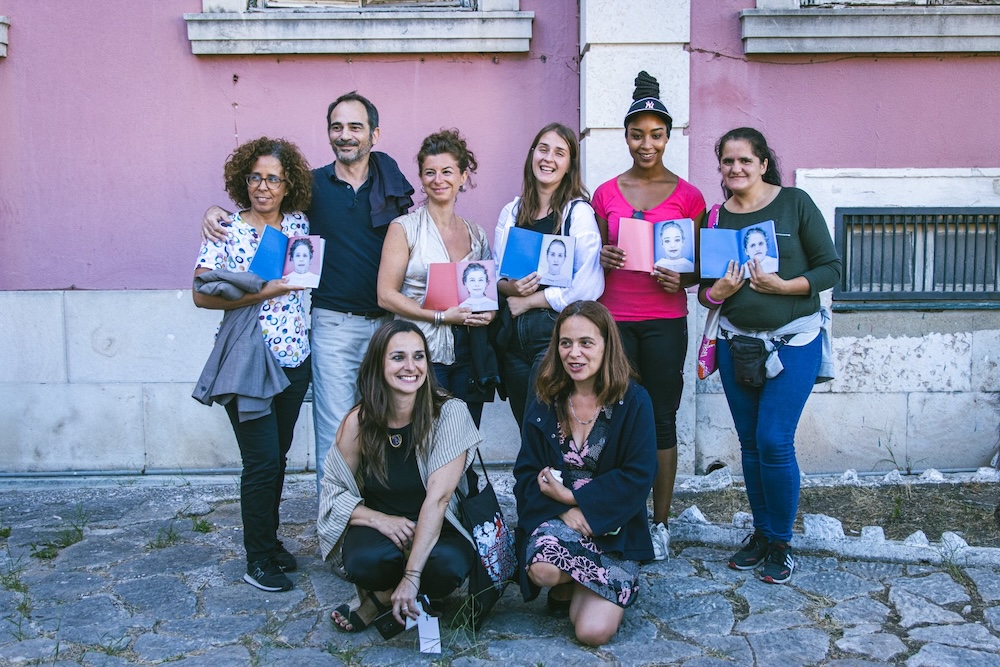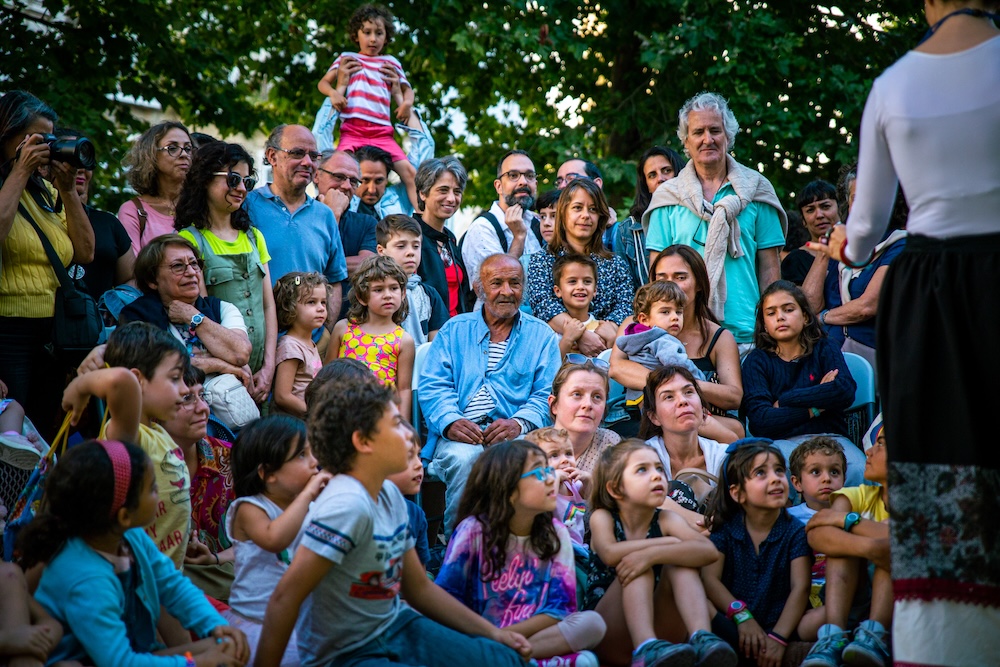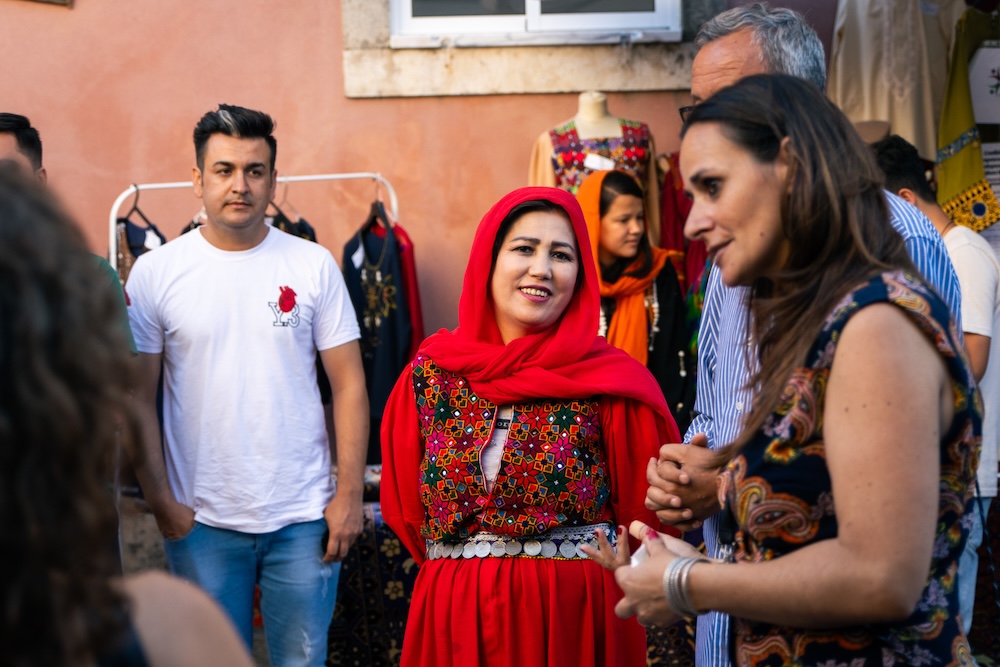
This story is part of our Stories of Impact series, spotlighting our Fellows who, through socially engaged arts, work with communities across Europe to confront the past, respond to present challenges, and co-create futures grounded in care, solidarity, and collective thriving. Here, Marta makes the case for towns and cities designed to work for people — not the other way round.
After starting out in the contemporary institutional art circuit, I realised I was much more fulfilled by community art and public spaces, where creativity truly intersects with social and political life. This impulse drove me to create something that I felt was necessary, filling a gap in the field of cultural activity.
This led me to found, together with a group of neighbours, Largo Residências Cooperative, whose mission is to create environments and opportunities that bring people together through culture. What began as a small initiative has grown into a network of projects that use art to support social inclusion and community life, as well as social and solidarity economy activities aimed not only at the self-sustainability of our organisation but also at creating local employment for priority groups.
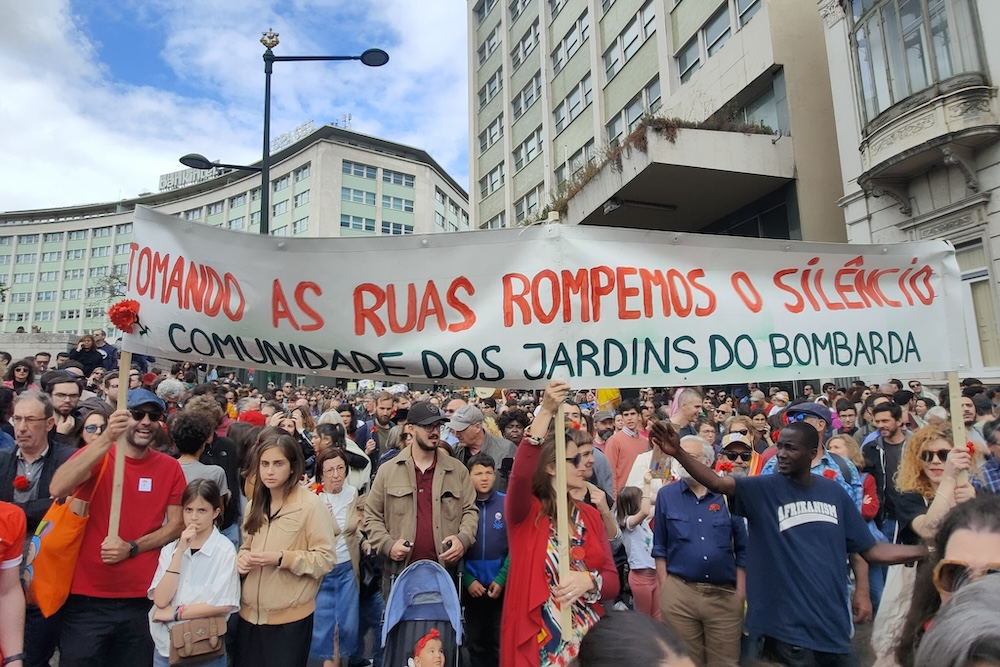
After 11 years of carrying out activities in the fields of artistic creation, programming, artistic mediation and training, the cooperative fell victim to gentrification, losing its headquarters; yet, turning adversity into resilience, it began to occupy vacant and underused state-owned buildings, including a former military barracks and the former Miguel Bombarda Psychiatric Hospital, where we established the Jardins do Bombarda cultural and community centre in Lisbon.
Through this transformation, it has created a collaborative ecosystem that provides accessible workspaces for around 40 cultural initiatives, with over 100 cultural workers based there permanently.
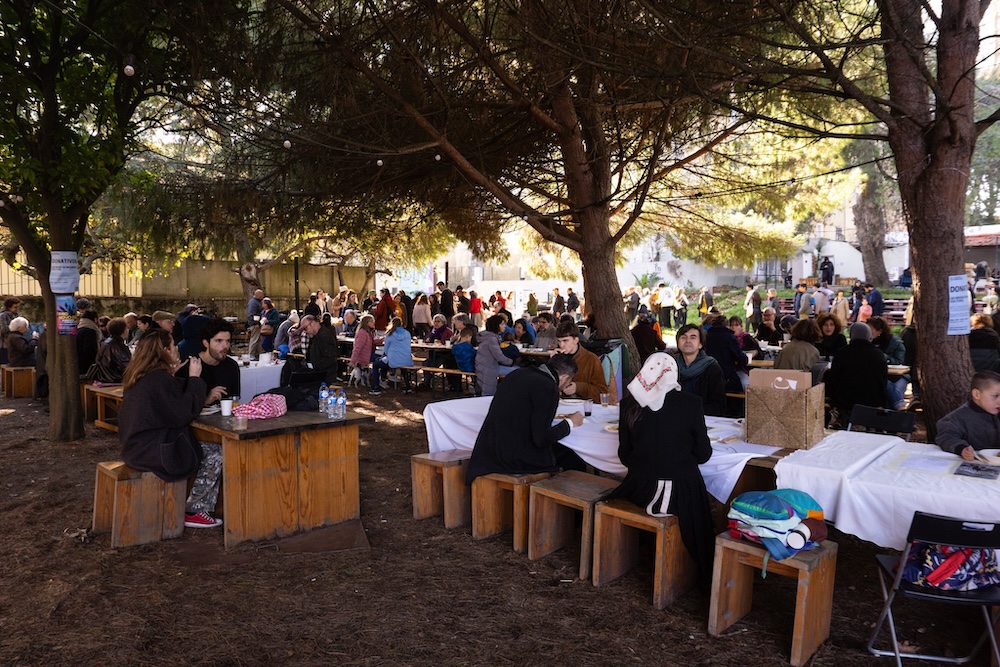
This has created the city’s only infrastructure capable of supporting the cultural sector at this scale. The centre brings together a wide range of shared spaces and facilities, including a performance hall, art shop, community library, greenhouse, restaurant and community kitchen. Alongside this, its gardens have become a neighbourhood meeting point, where local residents and community groups come together to lead and host a diverse range of initiatives.
We’ve now hosted more than 5,000 cultural activities, and engaged more than 7,000 cultural professionals, 7,000 members of the community, and 200 partner organisations. Many of these initiatives have continued beyond our initial collaboration, resulting in independent projects that bring citizenship and a vision of a fair and sustainable city into cultural activities.
We situate our work within the field of Social Art Practice, an art form in which social interaction is the primary medium. By embracing the idea of art that is engaged, dialogical, relational and context-specific, we promote a collaborative cultural and territorial model aimed at transforming and developing a shared reality, bridging culture and participatory citizenship.
Through all of this, we’re showing a different way cities can function — one shaped by communities and the grassroots organisations that work alongside them for the common good. At the local level, we want to show how sharing space with people you wouldn’t usually cross paths with can reinforce a sense of belonging . At the national level, we want to demonstrate that cities are only sustainable if communities have been involved from conception to action. And at a global level, we want to create more symmetrical societies through our advocacy work, where everyone’s fundamental rights are enshrined.
A city without spaces for artistic encounter is a city vulnerable to isolation and populism. The landscape of the next decade will be measured by the strength of the bonds we weave, elevating cultural rights to the same heights as economic and social rights. In the face of deep polarisation, socially engaged arts have evolved from institutional ornament to the ethical infrastructure that sustains democracy. I hope there will be more support and recognition for this kind of work.
Explore more stories of socially engaged arts driving change across Europe. View the Stories of Impact map here.