This story is part of our Stories of Impact series, spotlighting our Fellows who, through socially engaged arts, work with communities across Europe to confront the past, respond to present challenges, and co-create futures grounded in care, solidarity, and collective thriving. Here, Alona describes how she is creating platforms for women, migrants, the LGBTQ community, and more.
I have always worked at the intersection of arts and politics — first as an artist, and later behind the scenes. Since beginning my practice at 18, I have been interested in how artistic work can respond to forms of oppression and to fractures within communities. Not all of these fractures can be repaired. Often, the work is less about resolving them and more about staying with their complexity — creating spaces where they can be acknowledged, shared, and worked through collectively. I often find myself working within those thresholds — what might be described as failure, or simply as the space where other forms of imagination become necessary.
I co-founded Asortymentna kimnata as an autonomous space for those who could not find a place elsewhere. It was quickly and organically shaped by communities of women, queer people, teenagers, and internally displaced people. In Ukraine, within a broader European cultural context, sexism remains an everyday reality, and artistic production is often either confined to exclusive “white cube” environments or used to legitimise neoliberal and extractive systems. Our work has been to try to build alternatives: spaces and models for artistic practice that are political, participatory, and non-exclusive.
At Asortymentna Kimnata, we work primarily with people and topics that remain outside mainstream attention.
This includes, for example, facilitating encounters between artistic communities that have stayed in Ukraine — both civilians and current or former combatants — and those who have left and are now living as refugees abroad. These exchanges are not always easy, but they make visible tensions that are often avoided, and open up questions around belonging, distance, and the possibility of return.
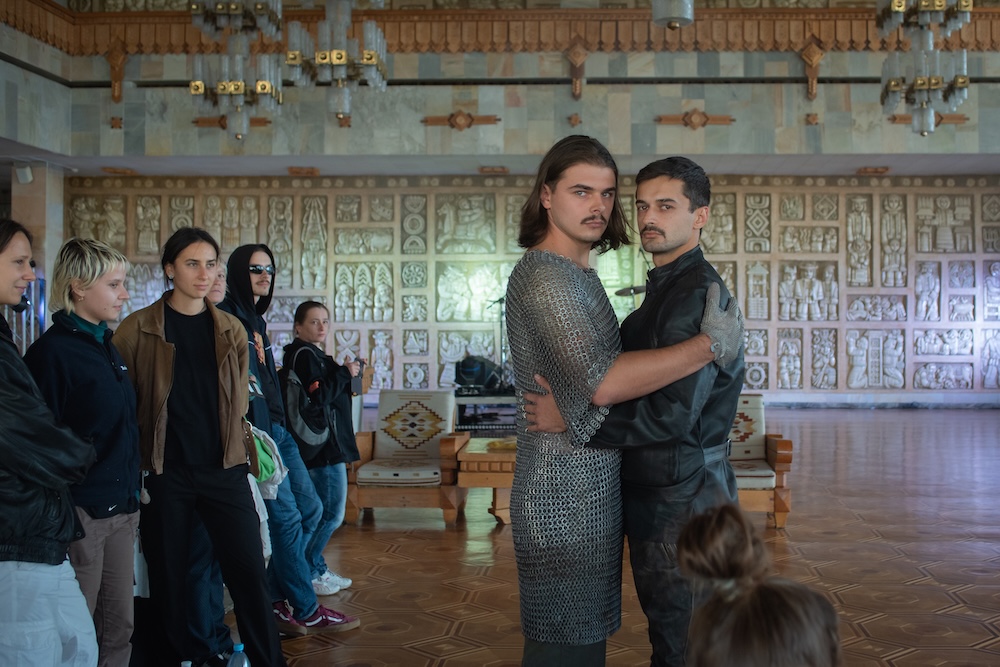
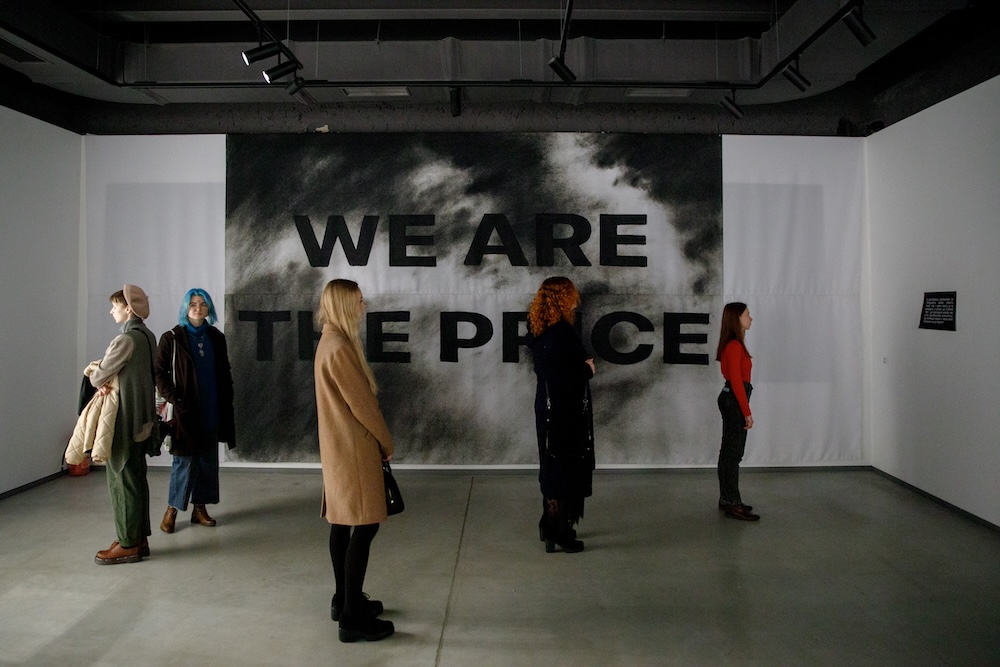
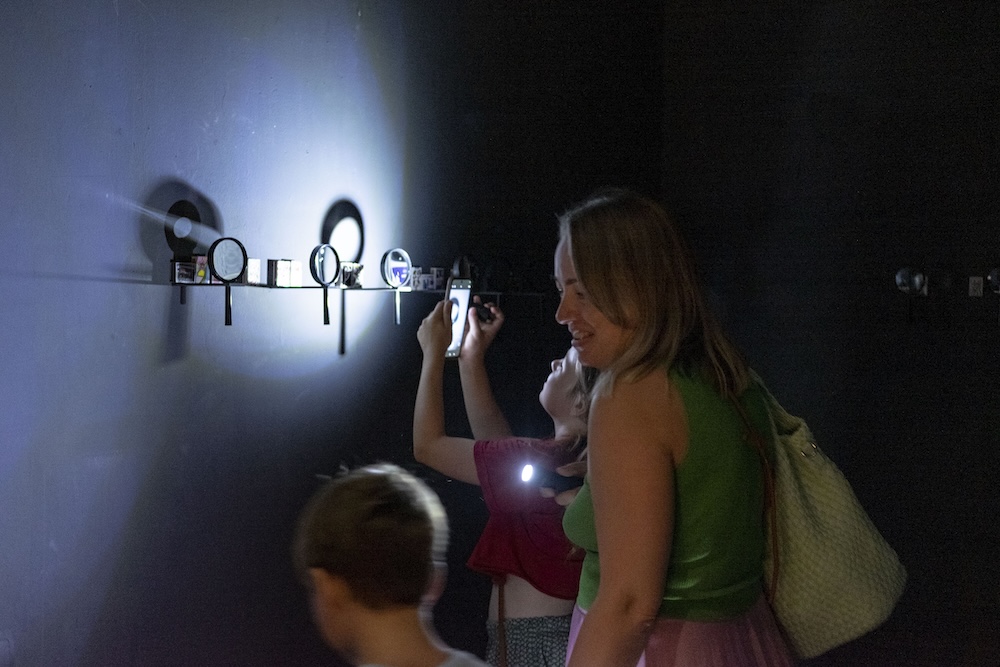
We regularly organise exhibitions, participatory residencies, and community learning laboratories outside cultural capitals. This creates access points into artistic practice for people who might otherwise not enter the field — whether they are starting out, shifting careers, or working from places that are structurally overlooked. At the same time, it allows artists to remain rooted in their local contexts while still being part of a wider conversation.
In 2024, we launched the publishing project ilostmylibrary, which has since produced 12 art books, two of which have received national awards. The project creates a platform for practices and perspectives that are rarely published, while also building a form of visibility and recognition that can support artists’ longer-term work.
At the beginning of the full-scale invasion of Ukraine in 2022, we also founded Post Impreza — a local art history archive preserving feminist and queer art evacuated from war-affected regions of Ukraine. Alongside maintaining the archive, Post Impreza publishes weekly texts on local artistic processes, hosts a writers’ club for those working with feminist writing, and has established a public library focused on local art history, memory, and decolonial studies. This work is as much about preservation as it is about creating continuity, ensuring that practices, histories, and forms of knowledge are not lost.
At the core of all of this is a commitment to protecting everyone’s right to express themselves. Socially engaged arts can create spaces where people articulate their experiences, share perspectives, and remain in dialogue with others — even when that dialogue is difficult or unresolved. Over the past year, this has also taken the form of participatory artistic and community formats centred on grief, commemoration, and open conversations about death. By sharing words and practices around death, we learn how to show up more fully for one another, and for the world we share.
At a time when many discourses are being narrowed or instrumentalised, maintaining independent, community-based artistic practices feels increasingly important. I hope there will be more support for this kind of work — not as something supplementary, but as part of how societies remain open, self-reflective, and capable of change.
Explore more stories of socially engaged arts driving change across Europe. View the Stories of Impact map here.