This story is part of our Stories of Impact series, spotlighting our Fellows who, through socially engaged arts, work with communities across Europe to confront the past, respond to present challenges, and co-create futures grounded in care, solidarity, and collective thriving. Here, Sophie explores how participatory art can bring people together and create connections between them.
My professional path – from territorial development to citizen-led, activist cinema – has shaped my belief in art as a tool for social change. But what drew me specifically to L’âge de la tortue was the experimental, reflective nature of its projects, which are deeply focused on caring for others.
L’âge de la tortue seeks to change social representations by championing art as a chance for collective reflection and civic transformation. Our projects address key issues such as urban regeneration and the reception of people whose lives have been shaped by histories of migration, and open up spaces where citizens can advocate for a more just society. We see creativity as an exploratory process that combines art with research. This is why we work closely with social science researchers to explore, question, and develop knowledge, and then disseminate these learnings with academic partners, cultural networks, and policy-makers.
The active participation of local communities is central to all our projects.
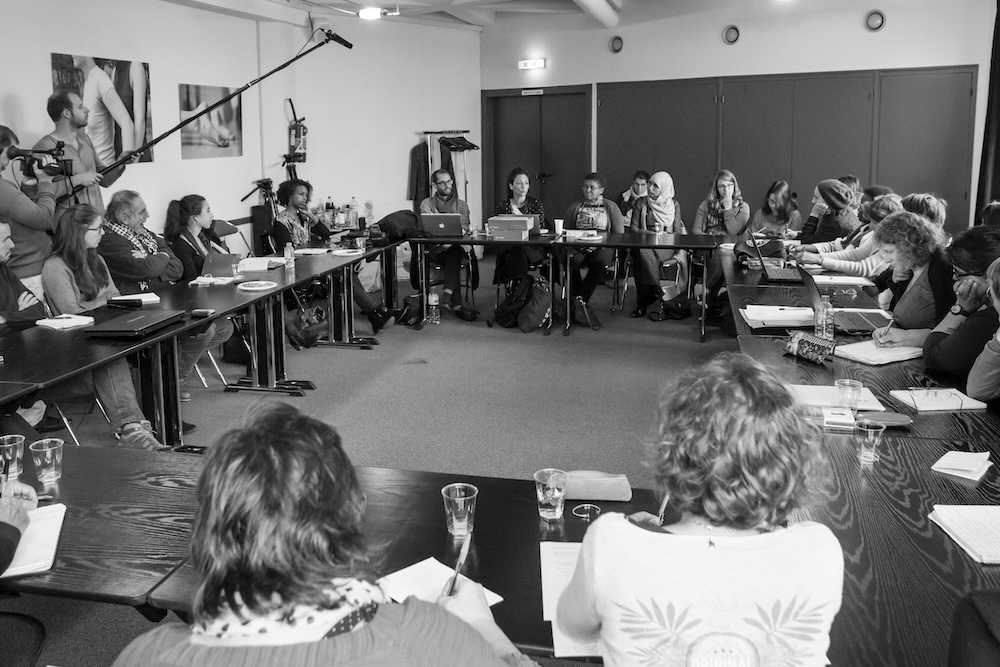
From the outset, we form reflection groups that bring together residents, community organisations, cultural practitioners, and institutional actors. These groups define ethical frameworks and core themes, and act as reference committees throughout the project, serving as a barometer for its social and territorial relevance.
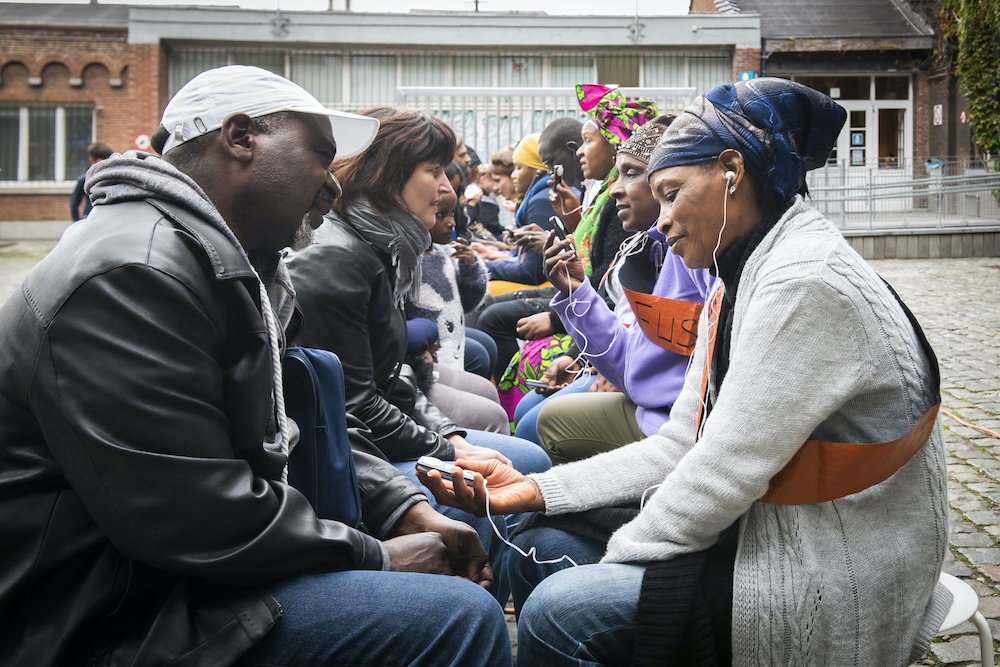
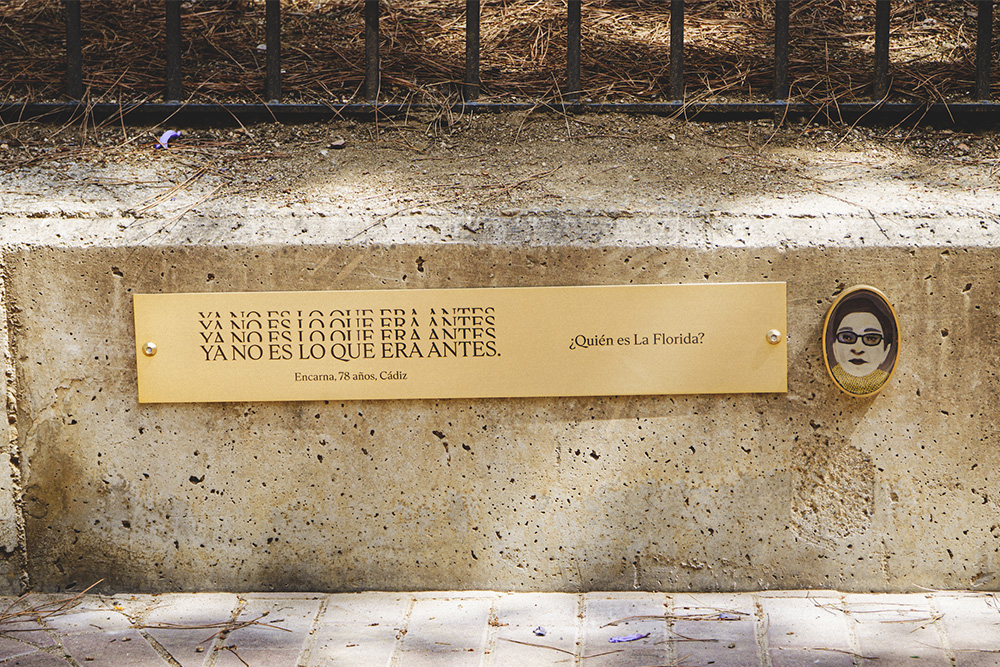
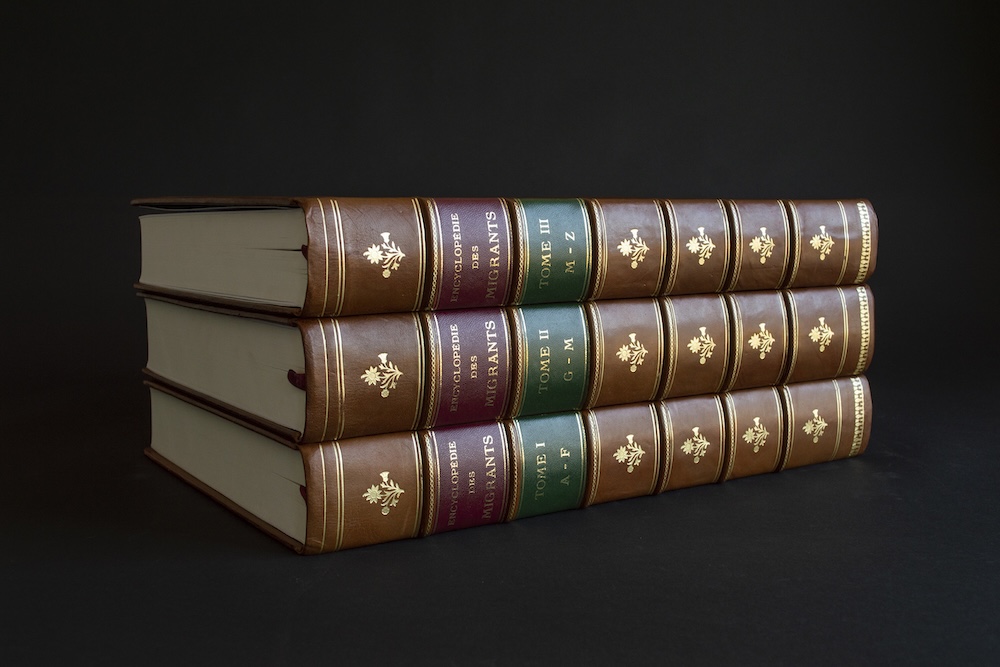
Our flagship project, The Encyclopedia of Migrants, collected 400 letters in 74 languages from people impacted by migration to their loved ones, helping to break down stereotypes about migration and elevating testimonies that are often ignored. This innovative project involved citizens, researchers, artists and elected representatives in eight European cities, and these letters are now preserved in their museums and heritage libraries. The project has worked not just to make their voices heard, but also to promote their scientific, artistic, and experiential expertise.
The impact of our projects goes further, strengthening collective confidence and long-term civic engagement. Participants gain confidence in expressing their own stories and questioning dominant narratives, as well as develop a stronger sense of autonomy. By engaging in artistic processes, they recognise their own knowledge and feel more legitimate in contributing to public debate. The process also helps them establish new connections with local residents and institutions, fostering dialogue across differences.
This is the power of socially engaged arts: they act as laboratories for democratic experimentation, and test new forms of citizen participation and cultural governance. I believe their impact must be recognised so that their methodologies can increasingly inform and shape Europe’s cultural and artistic sectors.
Explore more stories of socially engaged arts driving change across Europe. View the Stories of Impact map here.