This story is part of our Stories of Impact series, spotlighting our Fellows who, through socially engaged arts, work with communities across Europe to confront the past, respond to present challenges, and co-create futures grounded in care, solidarity, and collective thriving. Here, Margaux reflects on food as a way to engage with social, environmental, and political issues affecting the world today.
When I started foodculture days in 2017, I was frustrated by the inaction of our leaders and realised that we, the people, needed to organise on a collective, grassroots level. I was living in Germany at the time, and the creatives of Berlin – including those from the diasporic community – were experimenting with food and artistic practices. That’s where I came to understand food as a medium that could encompass many of the themes I was interested in: ecology, gender imagination, belonging, and more.
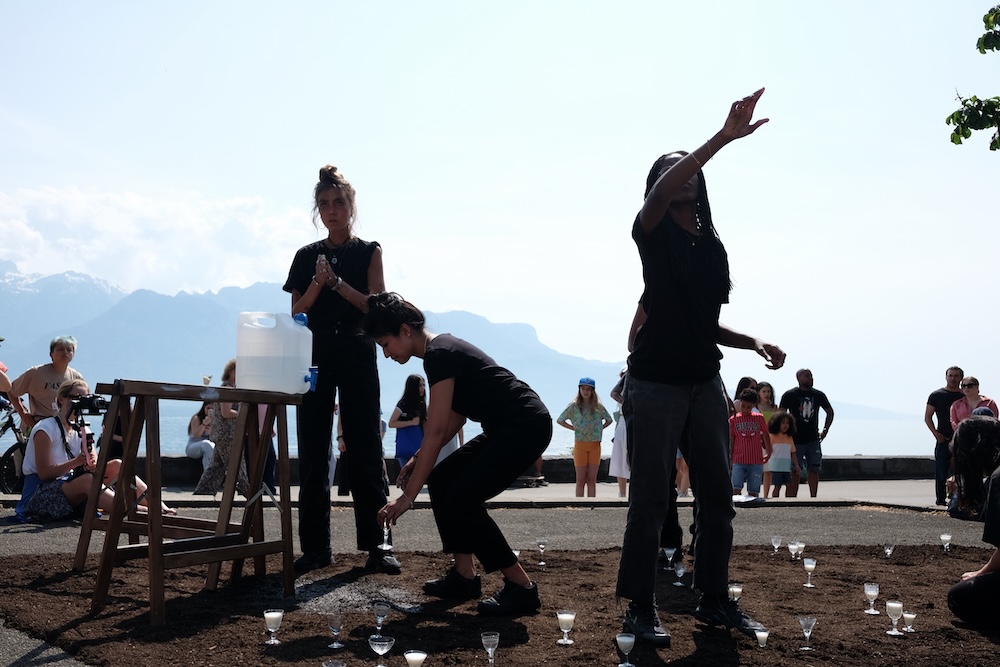
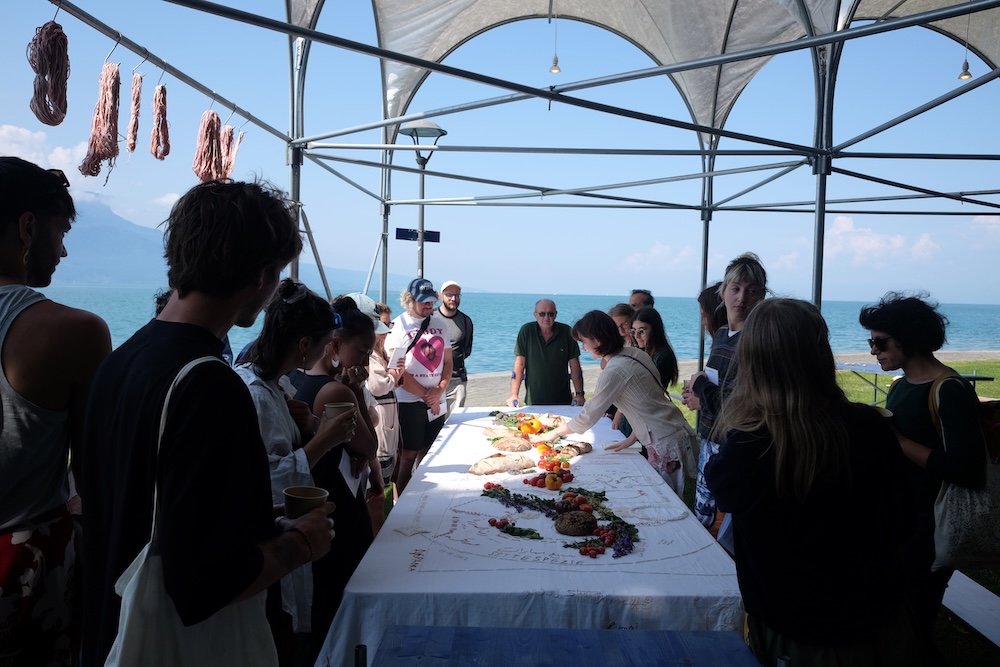
foodculture days invites us to question our relationship with our environment through food. We do this through public exhibitions, performances, workshops, convivial cooking sessions, and meals open to all, with these moments of exchange culminating in a Biennale. We also conduct field research, and in 2023 launched our first editorial project, Boca a Boca, to showcase our research processes.
Our role is to listen to the desires and needs of local communities and organise encounters between people that wouldn’t otherwise meet.
We work with artists, scientists, farmers, cooks, winemakers, activists, academics, ecologists, and gardeners – anyone who engages with food as a material, a medium, a research subject, a way to connect, or a tool of resistance. By proposing an alternative way of relating to plants, soil, seeds, and each other, we hope to move towards models that nurture, heal, and sustain the living world and its planetary boundaries
One of our programmes, Under the Same Sun, was a culinary experience that invited Latin American communities in Switzerland to reflect on corn as a “biocultural archive”. Participants engaged in hands-on foodmaking – like shaping arepas and wrapping hallacas – while exchanging recipes and stories passed down generations. By bringing together local and diasporic communities, the project questioned how knowledge is inherited and transmitted, as well as the hybrid nature of identities in a globalised world.
The programme also brought together artists, cooks and the public to create a shared space where food-based cultural practices became a bridge between diverse groups. Working in collaboration with KOMÅ Culture Studio, an interdisciplinary culinary collective in Switzerland, we connected them with Bruno Graf (Ferme du Chateau) , a small scale local corn producer from Payerne. This collaboration enabled them to shift away from industrial imported corn and foster more locally rooted, agroecological and collective food practices. Projects like these – built on the concept of “radical hospitality” – have facilitated the exchange of knowledge and helped develop strong bonds of solidarity within and between communities.
I hope politicians and the public will recognise the essential role of socially engaged arts in connecting them with realities on the ground and the different ways we can create a more liveable, ethical, and solidarity-based society together.
Explore more stories of socially engaged arts driving change across Europe. View the Stories of Impact map here.