This story is part of our Stories of Impact series, spotlighting our Fellows who, through socially engaged arts, work with communities across Europe to confront the past, respond to present challenges, and co-create futures grounded in care, solidarity, and collective thriving. Here, Jasmina tells us how her organisation is backing under-the-radar visionaries to elevate complex social issues.
At a young age, I came to believe strongly in the power of art to create space for empathy, connection, and recognition. From my first encounter with Rotterdams Wijktheater and the International Community Arts Festival (ICAF), I felt at home in a diverse and generous environment shaped by care, hospitality, and inclusion.
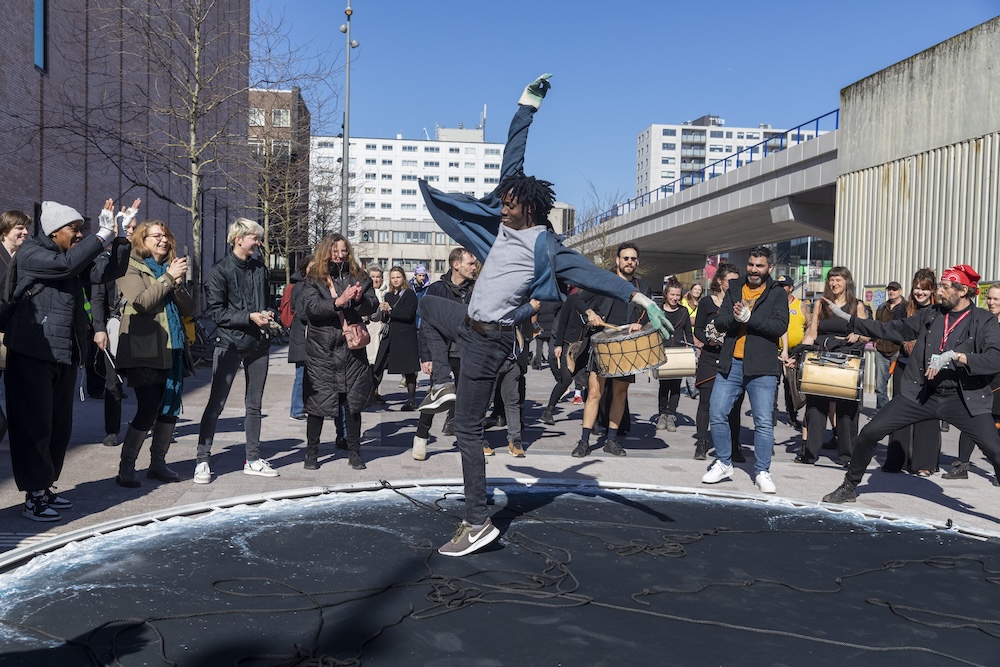
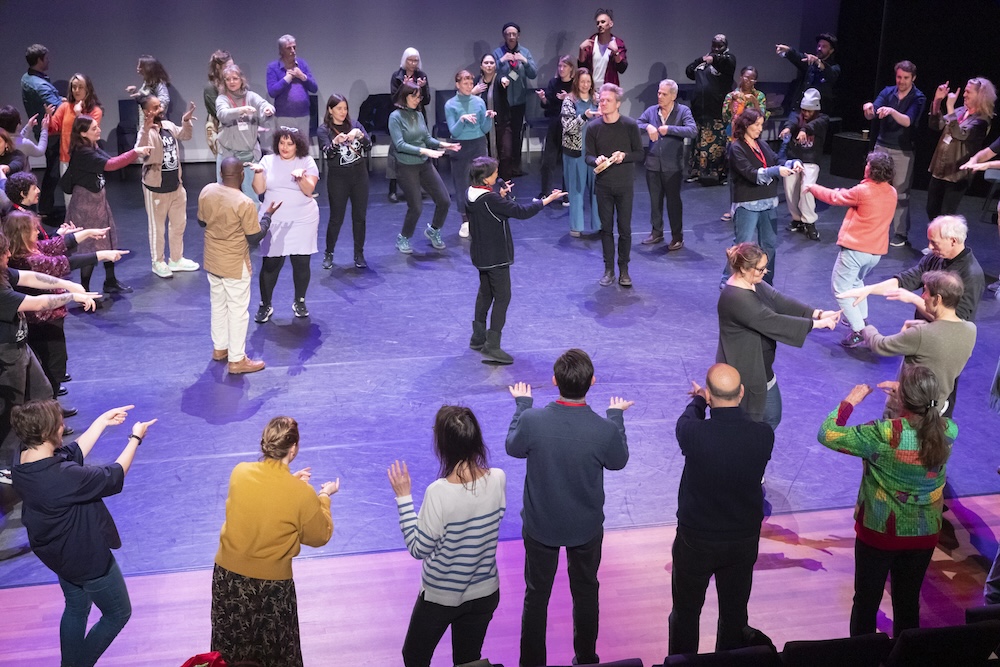
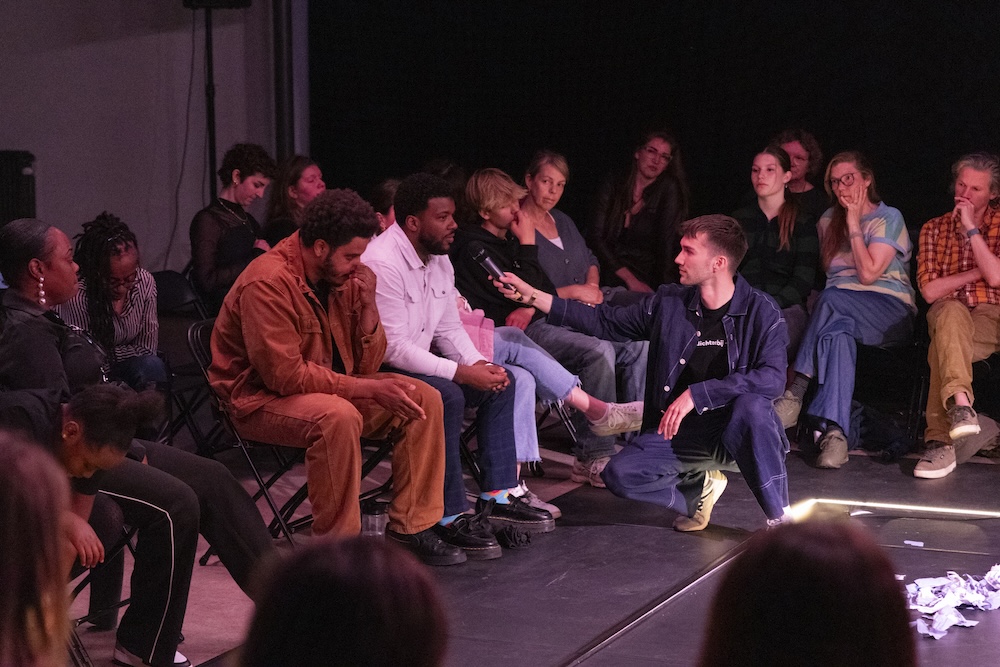
Rotterdams Wijktheater works with marginalised communities, with people who often remain unseen, and with authentic talents who do not necessarily identify as artists. Each year, thousands of people take part in our projects. Our work begins by creating a sense of community and opening space for imagination and connection, especially in places where such space is scarce. It is deeply rooted in collaborations with both informal and formal local organisations in neighbourhoods, and we increasingly work with policymakers who are willing to support change emerging from within communities.
We approach participants not as target groups, but as co-creators. Time and again, they tell us they feel a sense of belonging and feel genuinely heard in the work we create together
At the community level, we see lasting shifts. People who would otherwise never meet build meaningful relationships, while participants step into new roles as experts through lived experience, contributing to conversations with institutions and policymakers. At the same time, self-taught talents often find their way into the professional cultural field, enriching it with perspectives and stories that might otherwise go unheard.
A clear example of our impact is the two-part theatre project and films Lost Innocence and Lost Youth, developed in close collaboration with families affected by the Dutch childcare benefits scandal. The performances bring the human consequences of institutional racism into focus and have opened an ongoing dialogue with the government. Excerpts of the films are now included in the onboarding programme of the organisation responsible for compensating affected families.
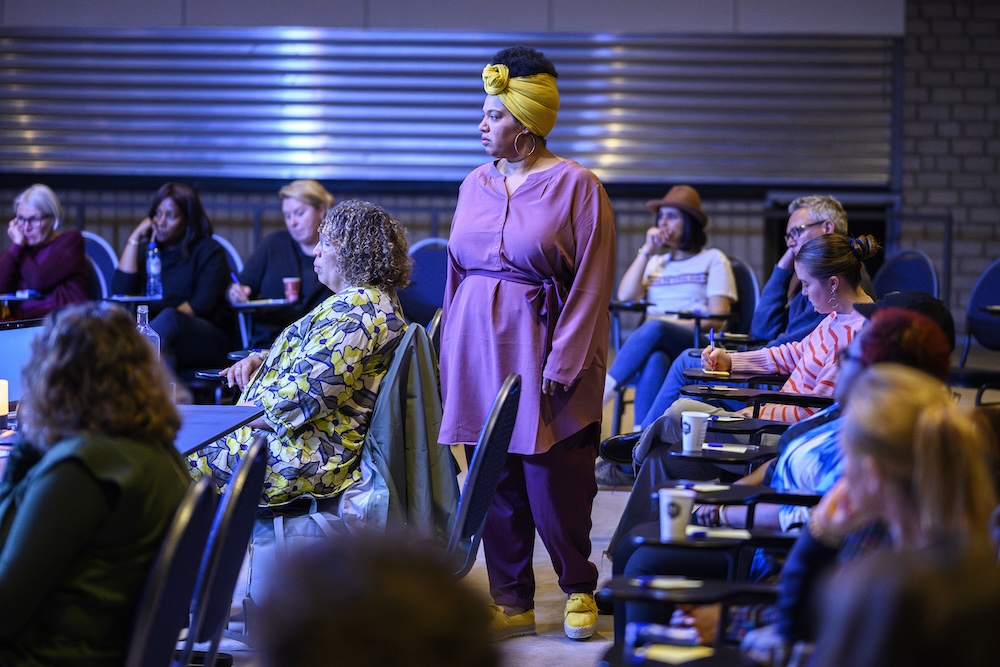
Another example is the International Community Arts Festival (ICAF), which we founded in 2001. Today, it has grown into the largest community arts festival in the world and, more importantly, into a space where the field comes together to meet, exchange, and develop. It brings together artists, communities, and organisations from across the globe and creates space to share practices, deepen perspectives, and collectively strengthen the role of socially engaged arts in shaping more humane cultural and social systems.
Projects like these show that socially engaged arts is not only about participation or representation, but about creating the conditions for people and institutions to listen to one another differently. I hope socially engaged arts will move from the margins to a recognised and sustained place within Europe’s cultural, social, and political landscape — rooted in lived experience, long-term relationships, and genuine participation. Not as a temporary intervention, but as a way of working that helps people connect across differences and reshapes how we listen, how policy is formed, and how we relate to one another.
For that to happen, we need to move beyond short-term projects and invest in the conditions that allow this practice to grow. This work requires time and trust, and calls for systems that are able to support it with care.
Explore more stories of socially engaged arts driving change across Europe. View the Stories of Impact map here.