This story is part of our Stories of Impact series, spotlighting our Fellows who, through socially engaged arts, work with communities across Europe to confront the past, respond to present challenges, and co-create futures grounded in care, solidarity, and collective thriving. Here, Lewis reflects on how culture and creativity can unlock new pathways to climate action.
I spent years as a musician and climate change activist without these two parts of my identity interacting at all. But my experiences with campaigning for change and working with climate change experts convinced me that key barriers to climate action are not technological or scientific, but psychological, social, and cultural. All of these are domains that the imaginative potential of the arts actually does have a huge ability to influence. Working at Culture for Climate Scotland provided a unique platform to combine those two passions and help address these barriers.
Culture for Climate Scotland works with culture to achieve transformational change towards a sustainable Scotland.
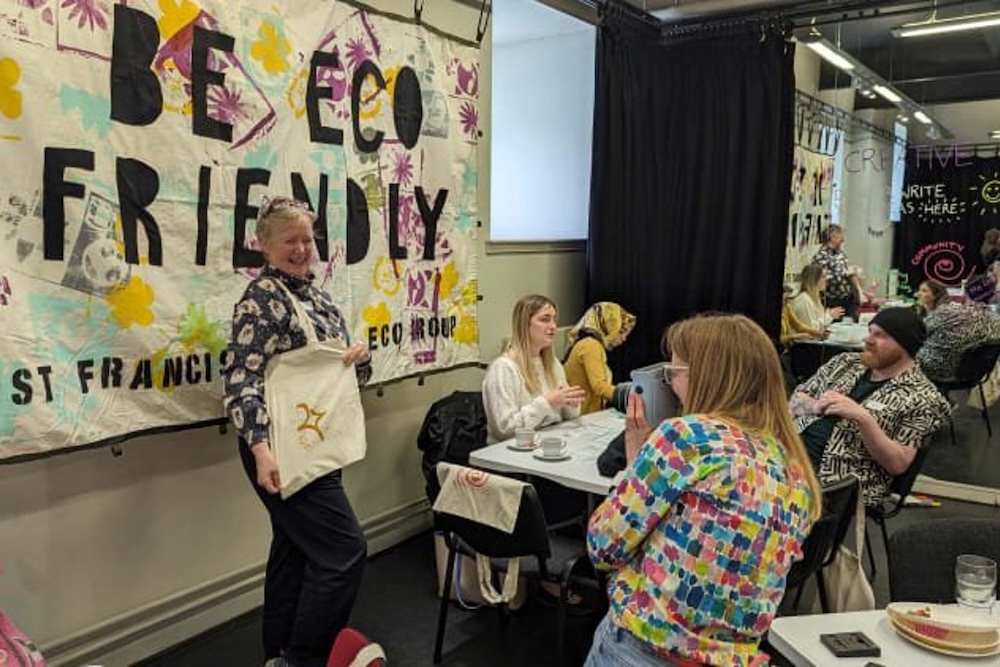
We identify barriers that we think socially engaged arts can address — such as a lack of trust between grassroots and decision-makers — and collaborate with artists and communities to design suitable creative interventions. For each project, we embed an artist for up to three years in a community or local partner organisation, including cultural venues, community centres, or environmental groups. They then co-produce creative activities and interventions with community members as a way to collectively imagine what is needed for the area to thrive in the future, develop consensus, support shared action, and advocate for institutional support.
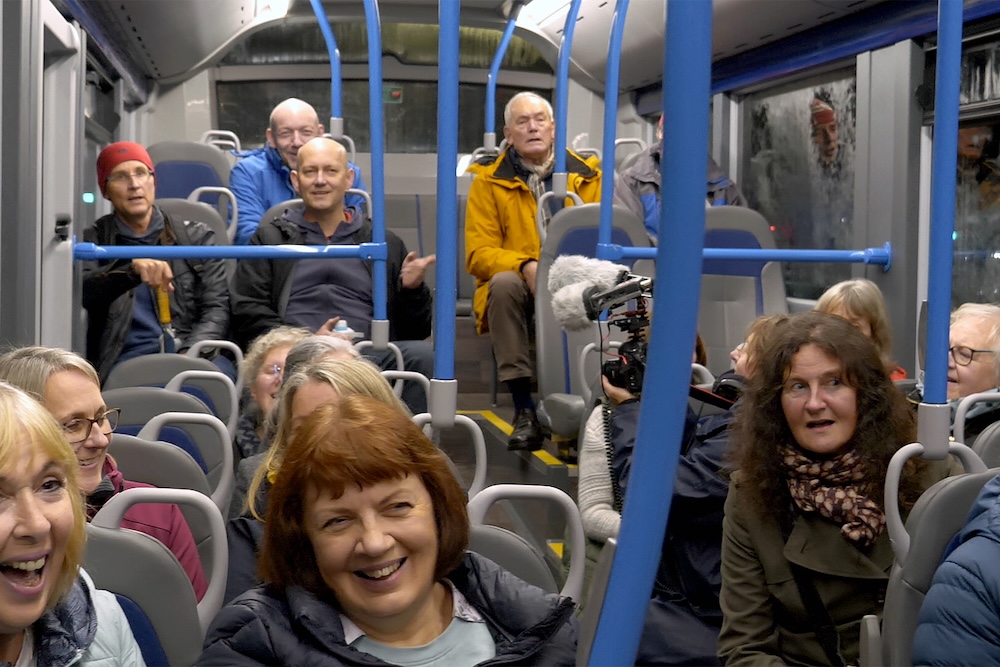
By involving them in all aspects of designing and running projects, we aim to use the full skillsets of artists to tackle barriers to climate action. The process-led approach responds directly to the communities we work with, helping create forms of impact that are most important for them. For example, one of our projects, Transforming Audience Travel Through Art, looked to understand the barriers to sustainable travel, working with artist Helen McCrorie and Perth Theatre and Concert Hall. We used creative methods to document people’s transport needs, developed positive stories to counter negative attitudes towards public transport – including a choir flashmob that was filmed and covered by local press – and built connections between cultural venues and community transport groups to encourage future collaboration.
Another of our projects, Climate Beacons, helped develop new relationships between cultural and environmental organisations that are still going strong five years later. This project engaged over 18,000 people – from members of the public to environmental professionals – and was written into the Scottish Government’s Climate Change Public Engagement Strategy, which included a section on the role of arts, culture, and heritage. But even more important than these were the connections, skills, confidence, and greater sense of agency participants reported from the process, leading to a permanent improvement in the conditions for community-led climate action.
A key feature of these projects is that they are not trying to simply reduce people’s individual carbon footprints, but to address those underlying social and cultural barriers that prevent climate action. We are building relationships, understanding, optimism, trust and social capital, all of which are essential pre-conditions for people to participate in climate change decision-making and action. This is needed to create the really transformational change that tackling the climate crisis really requires.
If I were to name one overarching achievement from these projects it would be about helping to imagine achievable positive futures and showing that change is possible. Author Amitav Ghosh described climate change as a “crisis of the imagination.” It results from not being able to see how the world could work in a different way. Climate change professionals need to work with the arts to imagine a sustainable future that we can mobilise action towards. My hope is that those with influence over climate and environmental decisions in Europe understand the enormous potential of imaginative power in battling climate action, and will exercise their imagination in giving the next generation a brighter future.
Explore more stories of socially engaged arts driving change across Europe. View the Stories of Impact map here.